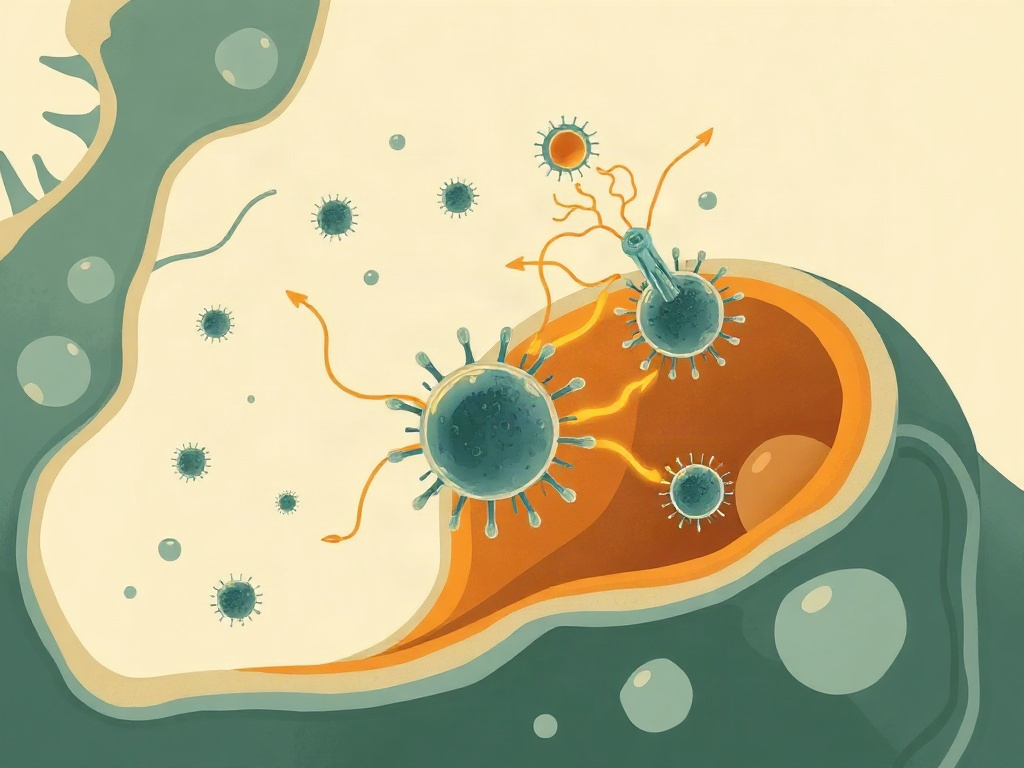
Glucagon-like peptide-1 (GLP-1), released under gut microbiota regulation, demonstrates protective effects across multiple degenerative musculoskeletal conditions including osteoarthritis, osteoporosis, sarcopenia, and spinal disc degeneration. The peptide reduces inflammation, mitigates oxidative stress, prevents cell death, and maintains microbial balance in affected tissues. This establishes a direct mechanistic pathway connecting gut health to musculoskeletal integrity. The gut-GLP-1 axis represents a paradigm shift in understanding age-related tissue degeneration. Rather than viewing bone loss, muscle wasting, and joint deterioration as isolated processes, this connection suggests systemic regulation through microbial metabolites. For aging adults, this implies that gut health interventions—probiotics, prebiotics, or dietary modifications—could theoretically protect against multiple degenerative conditions simultaneously. The therapeutic potential extends beyond current GLP-1 diabetes drugs to targeted musculoskeletal applications. However, this review synthesizes existing knowledge rather than presenting new clinical data. The practical translation requires human trials demonstrating that gut microbiota interventions actually prevent or reverse musculoskeletal degeneration through GLP-1 pathways, moving beyond the established metabolic benefits.
GLP-1 Peptide Links Gut Microbiota to Musculoskeletal Disease Protection
Primary reference: Gut microbes · View source ↗
Informational, non-clinical synthesis informed by published research. Not a clinical guideline or medical advice. May contain errors or editorial interpretation. Consult the original source and your physician.