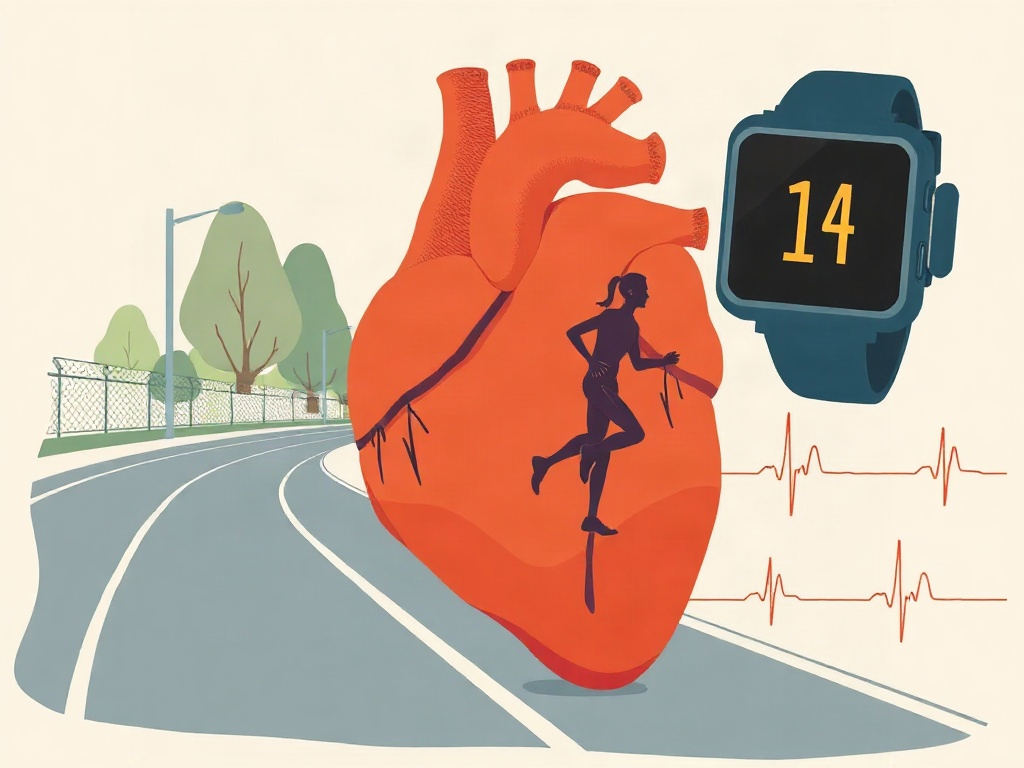
Athletic dreams previously crushed by hypertrophic cardiomyopathy diagnoses may no longer face automatic dismissal. This fundamental shift recognizes that blanket exercise bans for heart muscle thickening conditions have been unnecessarily restrictive for many patients who could safely maintain active lifestyles.
Emerging clinical evidence demonstrates that carefully selected HCM patients experience meaningful improvements in physical capacity and psychological wellbeing through structured exercise programs. Low-risk individuals—those lacking high European Society risk scores, exercise-triggered fainting, severe outflow obstruction, or dangerous heart rhythms—can participate in competitive athletics without detectable safety concerns. Even higher-risk patients may pursue sports participation through individualized approaches incorporating targeted treatments and protective device implantation when warranted.
This paradigm evolution reflects broader cardiology's movement toward precision medicine rather than population-wide restrictions. The traditional fear-based approach stemmed from legitimate concerns about sudden cardiac death, but accumulating data suggests these risks were overestimated for specific patient subgroups. The shift parallels similar evolutions in exercise recommendations for other cardiac conditions, where nuanced risk stratification has replaced categorical prohibitions. However, implementation remains inconsistent globally, with regulatory frameworks lagging behind scientific understanding. The emphasis on multidisciplinary counseling and shared decision-making represents a maturation of sports cardiology, acknowledging that quality of life considerations must balance against theoretical risks. This approach may influence exercise guidelines for other inherited cardiac conditions where activity restrictions have been similarly broad.