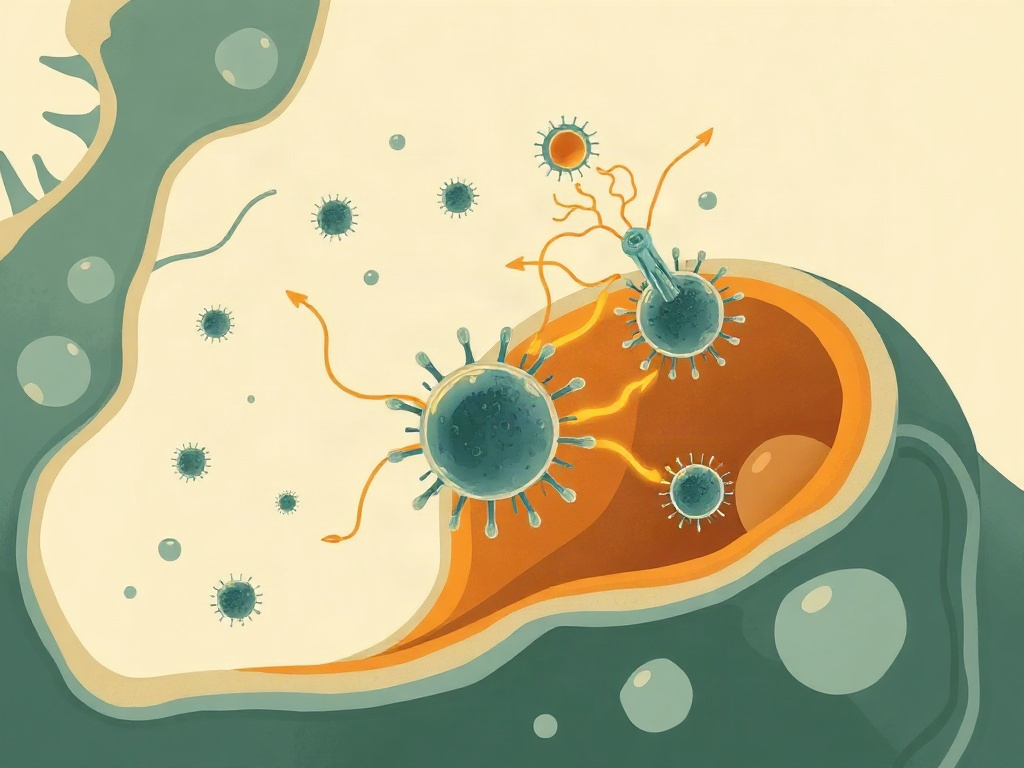
The traditional view of kidneys as passive victims of age-related decline is being overturned by emerging evidence that positions these organs as central drivers of systemic inflammatory aging. This paradigm shift has profound implications for understanding how chronic kidney disease accelerates whole-body aging processes and opens new therapeutic avenues for extending healthspan.
The core discovery centers on how kidney cells transform into inflammatory factories through a process called senescence-associated secretory phenotype (SASP). When renal tubular cells, podocytes, and mesangial cells reach senescence, they begin secreting pro-inflammatory molecules that create a self-perpetuating cycle of tissue damage and functional decline. Key molecular players include NLRP3 inflammasome activation, mitochondrial dysfunction, and epigenetic modifications that reprogram cellular behavior. The gut-kidney axis emerges as another critical pathway, where intestinal inflammation directly influences renal aging through systemic mediators.
This mechanistic understanding represents a significant departure from viewing kidney disease as merely an inevitable consequence of aging. Instead, it positions renal inflammaging as a potentially modifiable driver of systemic health decline. The therapeutic landscape is expanding rapidly, with senolytic drugs that eliminate senescent cells showing promise alongside SGLT2 inhibitors that target metabolic reprogramming. Diagnostic advances including senescence clocks and single-cell molecular signatures may soon enable personalized interventions before irreversible damage occurs. While most evidence remains preclinical, the convergence of multiple therapeutic modalities targeting different aspects of renal inflammaging suggests we may be approaching a more comprehensive approach to preserving kidney function and systemic health during aging.