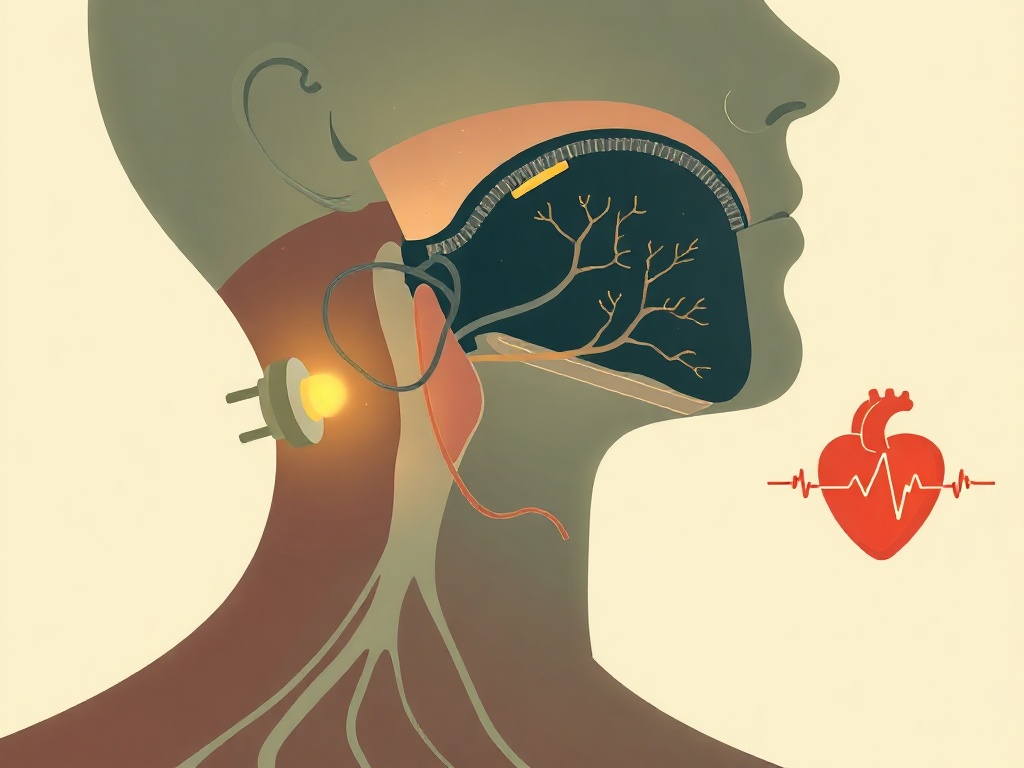
The intricate timing systems within our cells may hold critical keys to understanding why some brains resist Alzheimer's disease while others succumb rapidly. This connection between cellular timekeeping and neurodegeneration could reshape how we approach both prevention and treatment of cognitive decline in aging populations.
This PNAS research reveals that disrupted circadian rhythms at the cellular level correlate with accelerated accumulation of tau proteins and amyloid plaques, the hallmark pathologies of Alzheimer's disease. The study demonstrates that when cellular clocks become desynchronized, neurons lose their ability to efficiently clear metabolic waste and maintain protein homeostasis. Specific circadian genes, including CLOCK and BMAL1, showed diminished expression in brain tissue samples from Alzheimer's patients compared to age-matched controls.
These findings illuminate a previously underexplored mechanism linking sleep disruption to dementia risk. While epidemiological studies have long suggested connections between poor sleep patterns and cognitive decline, this research provides cellular-level evidence for causation rather than mere correlation. The implications extend beyond sleep hygiene to encompass light exposure, meal timing, and pharmaceutical interventions targeting circadian pathways. However, this represents early-stage mechanistic research requiring extensive validation in human cohorts. The challenge lies in distinguishing whether circadian disruption initiates Alzheimer's pathology or represents a consequence of existing neurodegeneration. Current circadian-based interventions show promise in animal models, but translating these insights into practical therapeutic strategies for humans remains years away. This work positions circadian biology as a potentially transformative frontier in Alzheimer's research, though clinical applications require substantial additional investigation.