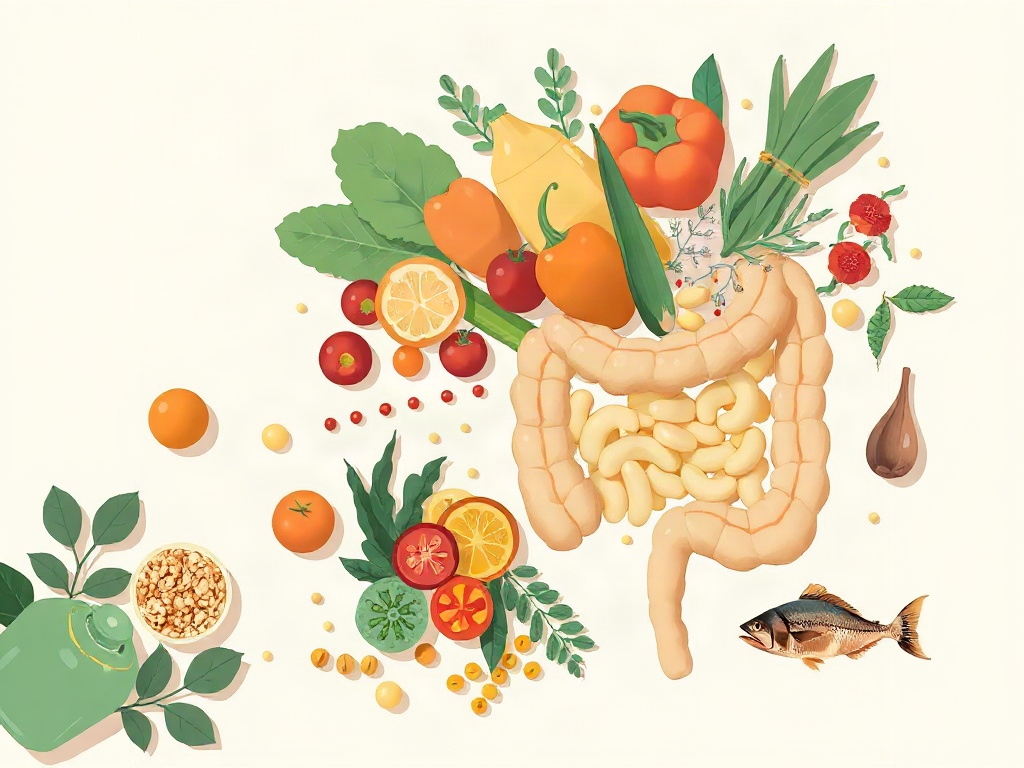
The mounting evidence connecting nutrition to brain health has reached a potential tipping point, with dietary interventions now emerging as one of the most accessible tools for cognitive preservation in aging populations. This shift could fundamentally alter how we approach dementia prevention at the population level.
A comprehensive analysis published in JAMA Neurology tracked dietary patterns and cognitive outcomes across multiple large cohorts, revealing that adherence to Mediterranean-style eating patterns correlates with a 23% reduction in dementia risk. The research synthesized data from over 60,000 participants followed for up to two decades, identifying specific protective mechanisms linked to anti-inflammatory compounds in olive oil, omega-3 fatty acids from fish, and polyphenols from vegetables and berries.
This finding represents more than confirmatory evidence for what nutritionists have long suspected. Unlike previous observational studies that relied on self-reported dietary recalls, this analysis incorporated biomarker data and neuroimaging to establish more robust causal pathways. The research landscape has been fragmented, with individual studies showing modest effects that often failed to reach statistical significance. However, this meta-analytic approach reveals effect sizes comparable to pharmaceutical interventions currently in clinical trials.
The practical implications extend beyond individual dietary choices to public health policy. Given that two-thirds of dementia cases occur in populations with modifiable risk factors, these findings suggest that relatively simple nutritional interventions could prevent millions of cases globally. The key limitation remains the observational nature of most underlying studies, though emerging randomized controlled trials are beginning to support these correlational findings with experimental evidence.